Owning a car can feel expensive sometimes, right? Between gas, insurance, and those unexpected repairs, the costs add up fast. But what if you could delay the biggest expense – buying a new car – simply by taking better care of the one you have? You absolutely can keep your car running longer with some consistent attention and effort.
It’s not about complex mechanical skills you don’t have time for; it requires understanding your vehicle and building good habits. This approach helps you avoid those surprise breakdowns and expensive shop visits. Following these maintenance tips makes it much easier to keep your car running longer and save money in your pocket.
Table of Contents:
- Why Bother? The Real Cost of Replacing Your Car
- The Foundation: Regular Maintenance Checks
- Driving Habits That Help Keep Your Car Running Longer
- Listening to Your Car: Don’t Ignore Warning Signs
- Protecting Your Car’s Body and Interior
- What If Your Car Sits Idle?
- Finding a Mechanic You Trust
- Conclusion
Why Bother? The Real Cost of Replacing Your Car
Think about the biggest chunk of money you spend related to your vehicle. It’s usually the purchase price itself, followed closely by depreciation. Depreciation is how much value your car loses over time, and it hits hardest in the first few years, slowing down significantly after that initial period.
Buying a new car means taking that initial depreciation hit right away, which can be thousands of dollars lost almost instantly. Even buying a slightly used car involves significant cost, potential financing interest, and sales tax. Keeping your current car means you’ve already absorbed the steepest depreciation, allowing you to skip potentially high monthly payments for a longer long time.
Let’s say avoiding a $400 monthly car payment for just two extra years saves you nearly $10,000 before considering interest savings. That’s a huge win for any budget and a strong motivator for proper upkeep. The key is making sure your older car remains reliable through good maintenance practices, helping the vehicle running smoothly for years.
The Foundation: Regular Maintenance Checks
Think of regular maintenance like routine health checkups for your car. These checks catch small problems before they become big, expensive headaches, potentially leaving you stranded. Sticking to a consistent maintenance schedule is the best way to give your vehicle a long, healthy life and increase longevity.
Your owner’s manual is your best friend here, providing specific recommendations tailored to your make and model. Don’t just toss it in the glovebox; consult it often. However, some general rules apply to almost every vehicle on the road, helping all car owners.
Oil Changes: The Lifeblood of Your Engine
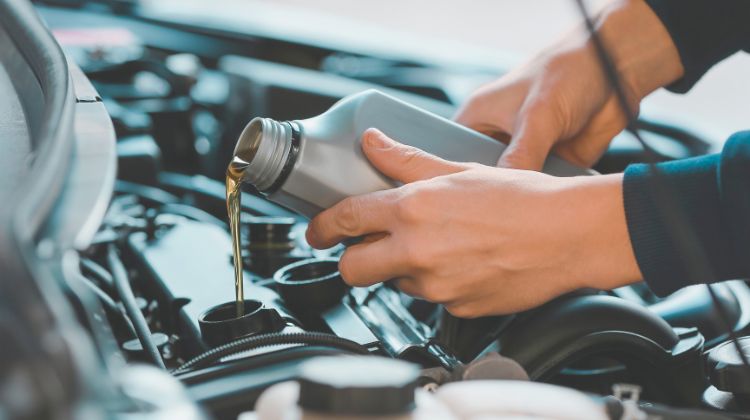
Engine oil lubricates the intricate moving parts within your car’s engine, reduces friction that causes wear, and helps dissipate heat. Old, dirty oil loses its viscosity and protective qualities, leading to increased friction, overheating, and potential engine damage. Ignoring oil change intervals is one of the quickest ways to shorten your car’s lifespan.
How often should you change it? The old “3,000 miles” rule isn’t always accurate for modern engines and oils. Many cars using synthetic engine oil can go 7,500, 10,000, or even 15,000 miles between changes. Always check your owner’s manual for the specific interval and type of oil recommended for your vehicle; it’s tailored advice.
Using the right type of oil is also critically important for protection. Don’t just grab the cheapest option at the auto parts store; stick to the viscosity grade (like 5W-30 or 0W-20) specified by the manufacturer. Using the wrong oil can harm your engine and potentially void your warranty, so it’s a good idea to get it right.
Fluid Levels Matter More Than You Think
Your car relies on several vital fluids beyond engine oil to operate correctly. Each serves a critical function, and low or contaminated fluid can cause serious, costly problems. Get in the habit of checking these levels regularly, perhaps once a month or before any long road trip.
Key fluids include coolant (antifreeze), which circulates through the engine and radiator to prevent overheating in summer and freezing in extreme temperature conditions. You also have brake fluid, which is essential for transferring the force from your pedal to the brakes, enabling stopping power. Neglecting brake fluid can lead to a spongy pedal or brake failure.
Don’t forget transmission fluid, which lubricates and cools the gears inside your car’s transmission, whether automatic or manual. Low or dirty transmission fluid can cause hard shifting, slipping, or complete transmission failure, a very expensive repair. Lastly, power steering fluid (if your car has hydraulic power steering) makes turning the steering wheel easy; low fluid can make steering difficult and damage the pump.
Most reservoirs have clear markings (MIN/MAX or LOW/FULL) showing the correct fill level. Your owner’s manual can show you precisely where to find these reservoirs under the hood and how to check them safely (e.g., checking transmission fluid often requires the engine to be running and car warm). Low fluid levels often indicate a leak that needs immediate attention from a mechanic, so always pay attention to levels and any puddles under your car.
Here’s a quick reference for common fluids:
| Fluid Type | Primary Function | Check Frequency (General Guideline) | Common Issues if Neglected |
|---|---|---|---|
| Engine Oil | Lubrication, Cooling, Cleaning Engine | Per Owner’s Manual (often 5k-15k miles) | Engine wear, overheating, seizure |
| Coolant (Antifreeze) | Engine Temperature Regulation | Monthly Check, Flush per Manual | Overheating, freezing, corrosion |
| Brake Fluid | Transmits Hydraulic Pressure to Brakes | Monthly Check, Flush per Manual (often 2-3 years) | Spongy pedal, reduced stopping power, failure |
| Transmission Fluid | Lubricates & Cools Transmission Gears | Check per Manual (can be tricky), Change per Manual | Hard shifting, slipping, transmission failure |
| Power Steering Fluid | Assists Steering Effort | Monthly Check | Stiff steering, pump noise/damage |
| Windshield Washer Fluid | Cleans Windshield | As Needed | Poor visibility |
Filters: Breathing Clean and Running Smooth
Just like humans need clean air to breathe, so does your car’s engine. The engine air filter acts as a gatekeeper, stopping dust, dirt, insects, and other debris from getting sucked into the engine’s sensitive components where they can cause abrasive wear. A clogged air filter restricts airflow, forcing the engine to work harder, which can significantly hurt performance and reduce gas mileage.
You might notice sluggish acceleration or decreased fuel efficiency if you have clogged air flow due to a dirty filter. Your cabin air filter performs a similar vital job, but for the air you and your passengers breathe inside the car. It traps pollen, dust, mold spores, and pollutants, making the cabin environment healthier and reducing allergens.
Changing this filter keeps the air fresh and helps your air conditioning and heating system work more efficiently and last longer. Finally, the fuel filter prevents dirt, rust particles, and other contaminants present in gasoline (even from the gas station) from reaching the fuel injectors and engine. Check your owner’s manual for recommended replacement intervals for all these essential air filters and the fuel filter; having each filter changed on schedule is usually an inexpensive preventative measure that makes a big difference in how your vehicle running performs.
Tires: Your Connection to the Road
Your tires are the only part of your car actually making contact with the road surface. Their condition directly impacts crucial aspects like safety, handling, braking distance, and fuel efficiency. Proper tire care is absolutely non-negotiable for keeping your car running safely and efficiently.
Check tire pressure at least monthly, and always before long trips, using a reliable tire pressure gauge. Don’t rely on visually inspecting the tires, as radial tires can look fine even when significantly underinflated. The correct pressure (usually measured in PSI) is listed on a sticker typically found inside the driver’s doorjamb or sometimes in the glove box or fuel door – it’s not the pressure listed on the tire sidewall itself, which is the maximum pressure the tire can hold.
Underinflated tires wear out much faster (especially on the edges), waste fuel by increasing rolling resistance, generate excess heat, and handle poorly, increasing stopping distances. Overinflation can lead to a harsh, uncomfortable ride, reduced traction (as the contact patch shrinks), and uneven wear down the center of the tread. Maintaining correct tire pressure is vital.
Regular tire rotation helps them wear evenly across all four positions, extending their overall life considerably. Aim for rotation every 5,000 to 7,500 miles, which often conveniently coincides with oil change schedules. Also, keep a close eye on tread depth; the classic penny test (if Lincoln’s head is covered, you’re generally okay) is a simple way to check if your tires need replacing soon, or use the built-in tread wear indicators. Driving on bald tires is incredibly dangerous, especially in wet or slippery conditions.
Brakes: Stopping Power is Safety Power
You need absolute confidence that your car will stop reliably and quickly when you hit the brake pedal. Brake system maintenance is therefore crucial for your safety and the safety of others on the road. Always pay attention to how your brakes feel and sound during everyday driving.
Warning signs that require immediate attention include a high-pitched squealing or metallic grinding noise when braking (often indicating worn brake pads), a spongy, soft, or low brake pedal feel, or the car pulling noticeably to one side when stopping. These signs mean it’s time for a brake inspection immediately by a qualified mechanic. Don’t wait until you experience a problem stopping your vehicle.
During routine service appointments, ask your mechanic to thoroughly inspect the brake pads, rotors (or drums), calipers, brake lines, and brake fluid levels and condition. Replacing worn brake pads before they wear down completely and damage the more expensive rotors or drums can save money significantly in the long run. Braking hard frequently will accelerate wear on all brake components.
Battery Health: Avoid Being Stranded
A dead battery is one of the most common reasons car owners call for roadside assistance. Car batteries typically last between 3 to 5 years, but factors like climate (especially extreme temperature swings), driving habits (frequent short trips can prevent the battery charged state from being fully restored), and parasitic draw can affect their lifespan. Taking simple steps can help maximize battery life.
Keep the battery terminals clean and free of corrosion (that white or bluish fuzzy buildup). A wire brush and a mixture of baking soda and water can easily remove any buildup. Ensure the cable connections are tight, as loose connections can prevent proper charging and starting.
Dimming headlights, especially when you start the car, slow engine cranking (a sluggish “rur-rur-rur” sound), or needing a jump start are all clear signs your battery is getting weak. Consider having it professionally tested during routine maintenance, particularly if it’s over three years old or you live in an area with extreme temperature fluctuations. Having a battery charged fully and healthy is essential for reliable starting.
Driving Habits That Help Keep Your Car Running Longer
How you drive, your specific driving style, significantly impacts the rate of wear and tear on nearly every part of your vehicle. Aggressive driving habits put unnecessary strain on the car’s engine, car’s transmission, brakes, suspension components, and even tires. Cultivating smoother, more mindful driving techniques is a good idea to help your car last and increase longevity.
Accelerate gently and smoothly away from stops rather than accelerating fast by stomping on the gas pedal. Likewise, anticipate stops and traffic conditions ahead, allowing you to brake gradually instead of braking hard and slamming on the brakes at the last second. This calmer driving style not only saves fuel but also drastically reduces stress on expensive components like brake pads and transmission parts.
Avoid frequent short trips if possible, as these trips often don’t allow the car’s engine to reach its optimal operating temperature. Engines experience the most wear during the cold start-up phase before the oil circulates fully and components expand to their normal operating tolerances. Consolidating errands into fewer, longer trips is better for your car’s health, especially for the exhaust system and battery.
While extensive warm-up idling isn’t necessary for modern fuel-injected cars, it’s still beneficial to let the engine run for 30-60 seconds to get the oil flowing before driving off, particularly in cold weather to ensure the car warm condition starts. Also, try not to carry excessive, unnecessary weight in your car regularly, as it puts extra strain on the engine, transmission, suspension, and brakes, and hurts gas mileage. Be mindful when using the steering wheel too; avoid dry steering (turning the wheel when stationary) and jerky movements.
Listening to Your Car: Don’t Ignore Warning Signs
Your car often provides subtle (and sometimes not-so-subtle) clues when something isn’t right. Learning to recognize these signals – unusual sounds, smells, vibrations, or dashboard lights – and addressing them quickly can prevent minor issues from escalating into major, costly repairs. Ignoring warning signs almost always leads to more significant problems and potentially dangerous situations down the road, so always pay attention.
The most obvious warning is the check engine light (CEL), often depicted as an engine silhouette. While it can indicate something simple like a loose gas cap, it can also signal serious engine, transmission, or emissions system problems requiring immediate diagnosis. Get the check engine code scanned promptly; many auto parts stores offer this service for free, or visit your trusted mechanic. Understanding common dashboard warning lights is crucial for responsible car owners.
Pay close attention to unusual noises. Clunks or rattles when going over bumps might indicate worn suspension components like shocks or bushings. Squealing could be slipping belts or worn brake pads. Grinding sounds often point to severely worn brakes or failing wheel bearings. Addressing these sounds early is much cheaper than fixing the resulting collateral damage. Knowing your car, car sounds is important.
Also, notice any changes in how your car drives or feels. Does it seem less powerful or hesitant during acceleration? Does it pull consistently to one side while driving straight? Is the steering wheel suddenly feeling loose, stiff, or vibrating? Does the transmission shift roughly? These changes warrant investigation by vehicle experts sooner rather than later. Be aware of crucial maintenance like replacing the timing belt according to the schedule in your owner’s manual, as failure can destroy the car’s engine without warning on many models.
Protecting Your Car’s Body and Interior
Maintenance isn’t just about the mechanical parts under the hood; it extends to the car’s body and interior as well. Protecting the car’s exterior paint and interior surfaces helps maintain its value, prevents rust, and makes it a more pleasant environment for you and your passengers. Environmental factors like harsh sun, acid rain, road salt (common in snowy areas and some coastal regions like the Bay Area), bird droppings, and tree sap can take a significant toll over long periods.
Regularly washing car surfaces is essential to remove dirt, grime, salt, and other contaminants that can etch or corrode the paint finish. Aim for a wash every couple of weeks, or more often if exposed to harsh elements. Applying a coat of wax a couple of times a year adds a crucial protective layer against UV rays and contaminants, helping the paint retain its gloss and integrity. Effective car washing involves using proper techniques to avoid scratching the paint.
Don’t neglect the inside of your vehicle. Regularly vacuum carpets and upholstery to remove dirt and debris that can abrade fibers over time. Wipe down surfaces like the dashboard, door panels, and console with appropriate cleaners to prevent dust buildup and staining. Cleaning the windows inside and out improves visibility.
Sun damage is a major enemy, capable of fading paint prematurely and causing plastic dashboards and interior trim to crack and degrade. Whenever possible, try to park in the shade or use a reflective windshield sunshade, especially during hot, sunny months. Protecting your car inside and out contributes significantly to its overall increase longevity and preserves its resale value for a long time.
What If Your Car Sits Idle?
Sometimes, a car might sit idle for long periods. Maybe you work from home, have a second vehicle, or are away traveling. Letting a car sit without use can lead to its own set of problems that car owners should be aware of.
One common issue is the battery losing its charge. Even when off, modern cars have systems that draw a small amount of power. Over weeks or months, this can drain the battery completely, preventing the car from starting. If you know the car will sit idle, consider using a battery tender or trickle charger to keep the battery charged, or plan to start the car frequently (at least once a week) and let it run for 15-20 minutes to circulate fluids and recharge the battery.
Tires can develop flat spots if the vehicle remains stationary for too long, leading to vibrations when you eventually drive it. Fluids like gasoline can degrade over long periods (months), potentially causing issues. It’s also generally not a good idea to leave the parking brake (or emergency brake) engaged for extended storage, especially in humid conditions, as the brake components can sometimes rust or seize together. Rely on the transmission’s parking pawl (in automatics) and wheel chocks if necessary on level ground.
Finding a Mechanic You Trust
Unless you’re a skilled DIY mechanic, you’ll inevitably need professional help for maintenance and repairs beyond basic checks. Having a trustworthy mechanic or auto shop is invaluable for ensuring proper service and fair pricing. Building this relationship can take time but is well worth the effort for long-term vehicle running health.
Start by asking for recommendations from friends, family, or coworkers who are happy with their service providers. Look for independent shops with good online reviews and reputations, or consider dealerships specializing in your car’s make, though they might be more expensive. Certifications like ASE (Automotive Service Excellence) indicate that technicians have passed competency tests, offering some assurance of skill.
Don’t be afraid to ask questions about recommended services or repairs. A good mechanic will take the time to explain the issue clearly, show you the worn parts if possible, and outline your options (e.g., different quality parts, temporary vs. permanent fixes). If you’re unsure about a significant or costly repair recommendation, getting a second opinion from another reputable shop is always a wise decision before committing.
Building rapport with a mechanic you trust provides peace of mind. You’ll feel more confident that your car is in good hands, receive accurate advice, and be less likely to pay for unnecessary services. These vehicle experts are partners in helping you keep your car running longer.
Conclusion
Taking proactive steps to care for your vehicle really pays off in the long run, helping you save money and avoid stress. It’s not about becoming a master mechanic overnight; it’s about consistency, developing good habits, and learning to pay attention to your car’s needs. Following the recommended maintenance schedule found in your owner’s manual, practicing a smooth driving style, and addressing warning signs promptly are the most effective strategies to keep your car running longer.
Think of the substantial financial benefits – the money saved by avoiding frequent, unexpected repairs and significantly delaying the purchase of a replacement vehicle. That extra cash can go towards savings goals, paying down debt, or simply enjoying life more. Staying informed about potential issues, maybe even through breaking news about recalls, is part of responsible ownership.
Ultimately, a well-maintained car is a more reliable, safer, and cost-effective mode of transportation. By investing a little time and effort into basic upkeep and smart driving, you actively contribute to its increase longevity. You can successfully keep your car running longer and enjoy dependable service for many years and miles to come.




Leave a Reply