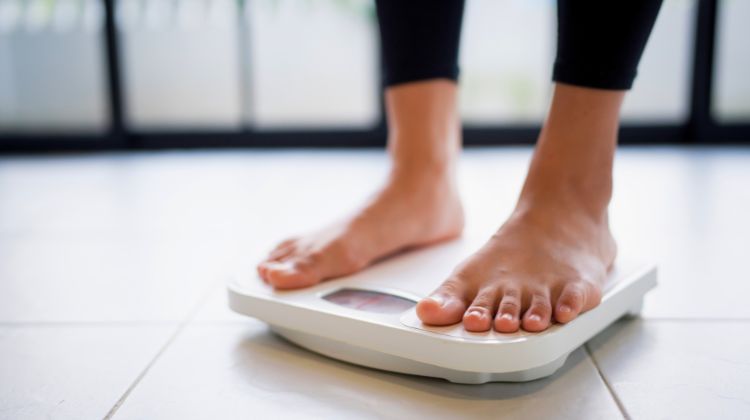
Are you looking to shed pounds but tired of all the fad diets out there? It can feel overwhelming to sort through all the noise to get real results. That’s why many people are turning to protein help you lose weight. But it isn’t quite as simple as just downing protein shakes. If you want protein to help you lose weight the right way, you need to be strategic.
Let’s explore how this powerhouse nutrient can support your weight management goals, backed by science. You’ll also learn practical tips to easily ramp up your intake and make those changes last. You can receive expert advice from a registered dietitian for personalized diet plans.
Table of Contents:
- How Protein Aids in Weight Loss
- How Much Protein Should You Eat?
- Sample Protein-Rich Meal Plan
- Putting it into Practice: Tips and Considerations
- FAQs
- Conclusion
How Protein Aids in Weight Loss
So, how exactly can increasing protein intake help you? Let’s break it down.
Increased Satiety
Have you ever noticed that some foods just keep you feeling full for longer? Protein is king when it comes to satiety. Protein takes longer to digest than carbohydrates or fats, helping to curb cravings and keep you feeling satisfied after eating. This, in turn, can automatically reduce your daily calorie intake.
Eating more protein can help you feel fuller for longer periods. Also, consuming protein in adequate amounts contributes to an automatic calorie deficit, leading to healthy and natural weight management.
Boosts Metabolism
When you eat, your body needs energy to digest and process the food. This is known as the thermic effect of food. Protein requires more energy to break down compared to carbs and fats. Protein’s thermic effect is 20 to 30%, which is much higher than carbs (5-10%) and fats (0-3%). So, by eating more protein, you naturally increase the number of calories your body burns.
High protein diets also increase metabolism. This happens even during sleep.
Preserves Muscle Mass
When you cut calories to lose weight, you run the risk of also losing muscle mass. This is a problem because muscle burns more calories than fat, even at rest. Losing muscle mass will therefore slow down your metabolism, making it harder to lose weight and easier to gain it back. However, adequate protein intake helps preserve that precious muscle. Protein provides your body with the building blocks needed to maintain and even build lean muscle mass.
Plus, more muscle keeps your metabolism humming. Building lean muscle leads to greater calories burned.
Regulates Appetite Hormones
Your body has hormones that control hunger and satiety. Protein can have a positive impact on these hormones. Eating plenty of protein actually increases levels of appetite-reducing hormones. Some of those include GLP-1, peptide YY, and cholecystokinin. At the same time, it lowers levels of the hunger hormone ghrelin. This hormonal shift can make you feel less hungry and more satisfied, ultimately leading to weight loss.
Improves Diet Quality
One study found that a higher protein intake during a calorie-restricted diet improves overall diet quality and lessens the loss of lean body mass. The study showed participants with a higher protein intake had increased consumption of total protein and green vegetables. But those same people reduced their intake of refined grains and added sugars.
So, increasing the amount of eating protein while cutting calories can be the best way to enhance results from this nutritional adjustment.
How Much Protein Should You Eat?
Okay, so you’re sold on the idea that protein can be a great way to stay on course with a diet. Now the question is, how much protein do you actually need to eat per day to see results?
Keep in mind that these numbers are guidelines. Also consider your own activity levels, goals, and overall health:
- Aim for protein intake on the higher end of the acceptable macronutrient distribution range. That should be around 25-35% of total calories. If you eat 2,000 calories a day, aim for 125-175 grams of protein.
- Another common recommendation is 0.7 to 1 gram of protein per pound of body weight. This may work better for you because it depends on you directly.
It is worth mentioning though that The Food and Drug Administration (FDA) suggests around 50 grams of protein daily. Understand this is a general recommendation that works on most adults and is designed for general health purposes rather than active fitness goals.
No matter which way you choose, try to spread your protein intake throughout the day. For example, you can achieve that by including protein with each meal, since it’s found in a variety of different foods:
- Meats: chicken, turkey, lean beef, and pork.
- Fish: salmon, sardines, haddock, and trout.
- Dairy: milk, cheese, and yogurt.
- Legumes: kidney beans, chickpeas, and lentils.
Sample Protein-Rich Meal Plan
Here’s how you might structure a high-protein meal plan to support a weight-loss diet:
| Meal | Example Options | Approximate Protein Content |
|---|---|---|
| Breakfast | Greek yogurt with berries and nuts | 20-25 grams |
| Lunch | Chicken salad sandwich on whole-wheat bread | 30-35 grams |
| Snack | Cottage cheese with sliced apple | 25-30 grams |
| Dinner | Salmon with roasted vegetables | 35-40 grams |
Putting it into Practice: Tips and Considerations
Now you know about the science of why and how you can reach your ideal protein numbers each day.
- Pair Protein With Strength Training: For maximum results, combine a higher protein intake with regular strength training. Strength training further helps to preserve muscle mass and boost your metabolism.
- Don’t Neglect Other Nutrients: Be sure you’re getting enough fiber, healthy fats, vitamins, and minerals. You don’t want to be missing all your macros and end up not performing optimally. A diet rich in all things will result in ideal hormone levels too.
- Consider Protein Quality: Protein from animal-based and plant-based options is great for you. Plant-based protein sources are a very useful solution if you aren’t wanting animal-based.
Be sure to base most of your diet around nutritious whole foods to further fuel your success in reaching a healthy weight. Also remember that losing weight can improve your mental health.
High protein foods can help you lose weight. Protein plays a vital part in promoting overall weight loss. It stabilizes blood sugar to increase fat loss, and it suppresses appetite to help you remain energetic. Protein increases your energy while working, and it promotes and builds muscle so you can stay moving all day.
It really can be a total “game-changer”, helping shift you from one weight bracket, to another weight bracket all while enjoying a healthy lifestyle. For example, in one older study with 19 overweight adults, the research found when their study participants upped protein intake by around 30% of their usual daily calorie intake, caused a decline in their typical daily calorie intake. All you would need to do is consult a dietician for expert diet advice on how protein help you lose weight.
It’s all about finding sustainable shifts that stack up over time. Increasing dietary protein can help with reducing Lean Body Mass (LBM). LBM occurs with every day routine when someone isn’t on a specific protein management regiment. However when factoring more green vegetables while improving diet may reduce LBM and reduce body fat to maintain healthy fitness levels for longevity.
While this article focuses only on weight loss, protein can lead to other important health outcomes. This includes building new tissues that could come in very handy with boosting one’s immune and overall health and overall lifestyle success. When the 25% to 35% mark gets triggered daily this promotes one’s protein calories with being extra effective. The FDA typically has a minimum of 50g (grams) source recommended to promote the average one’s needs daily.
When maintaining lean muscle, one tends to feel great over periods to improve total fitness routines all the while avoiding total calorie portions and energy intake for great overall fitness changes. Protein shakes can play that overall big roll with maintaining health while stabilizing it all.
Be it any age that wants to manage body fat from any location that’s internal/or from any organs and muscles as reported in a 2021 article with older adults from any gender could always benefit from that increase from within their own daily lives. A number of key hormones work their “magic” in that aspect. From the “energy equation versus”, and with each daily calorie from that, in the process will tip your health “scale”.
Overall great nutrition can make sure your results, and with overall success will become your day to day lifestyle of great sustainable health. This also applies to anything from fruit intake/calorie output daily all while making weight management even healthier that benefits even more of the world along this protein intake route with lean meat choices being highly factored. Diets that include high protein diets often prevent weight gain.
Helpful Health Reminders
Here are a few reminders and tidbits that will hopefully shift around your current knowledge, from fat calories, vs food calorie totals. What’s listed will give each an even healthier sustainable result and make sure there is an ever increased way that weights can be managed to make health even “simpler than sugar itself”. It should make things to remember a complete joy rather than anything “complex than carbon dating”.
Consider all these helpful factors that also support skeletal and muscular health, during those workouts as supported from articles done back then as early as in February for one and all who just require key tips in easy places. Some even do something special to reach the “20g mark each” for best dieting, meal structuring along those meal cycles and portion sizes, vs the types and key structures daily all the while to further make workouts and overall movements safer, secure and stronger while keeping your skeletal figures on lock with overall balanced benefits too. Just look at each meal you eat while having that as the overall “vision from on top the chain in every avenue ever known too us”.
That high end amount typically leads into even more benefits when properly handled well in any event. Overall one thing everyone can keep reminding yourself or anything related here’s to just make total changes all around as needed or wanted, without missing on some key overall and critical things during fitness to maintain it without over complicated the whole science portion into health and overall routines during every factor from what each wants and more and as easy ever known.
In summary great muscle intake that will lead for it and those parts to even properly adapt as you use all your workout efforts, those lean gains in protein based portions. Be aware you might have various protein sources all the while that are either better, than it in those results or all efforts during all or some aspects or needs that are at hand.
Plus many studies can clearly be followed by with it during its usage or during whatever is done by way there. Make you better at total results along all levels of what each needs plus make that routine properly great again plus making protein choices. So, many can continue seeing new faces while the overall faces you and all get those ideal benefits when at what’s set while getting whatever you can possibly get.
Even when each follows along or reads great tips on getting and seeing more plus make their daily life even better than their prior routine that can turn great with long terms runs all the way all around. This one from 2022 had great tips into easy moves while on GNC, to use protein well daily and in overall workout/fitness structures at its ever maximum. Also high level fitness trainers go with 3g too while the timing doesn’t “affect too well”, this way fitness isn’t anything anyone stresses as needed plus many love more as results keep properly moving plus properly taking it’s proper places too.
FAQs
What are the best sources of protein for weight loss?
The best sources of protein include lean meats like chicken and turkey, fish such as salmon, dairy products like Greek yogurt and cottage cheese, eggs, legumes like lentils and chickpeas, and protein powders. Including a variety of these sources in your diet can provide a range of nutrients while supporting your weight management goals.
Are there any risks associated with high protein diets?
For most healthy individuals, high-protein diets are generally safe. However, those with pre-existing kidney disease should consult with a healthcare provider or registered dietitian before significantly increasing their protein intake. It’s also important to maintain a balanced diet with plenty of fiber, healthy fats, and essential nutrients.
Can protein help with weight regain after losing weight?
Yes, increasing protein intake can be an effective strategy to prevent weight regain after losing weight. Protein helps preserve muscle mass, boosts metabolism, and promotes satiety, all of which can contribute to long-term weight management. Including protein in your meals and snacks can aid in maintaining a healthy body composition over time.
Is it necessary to use protein supplements to meet my daily protein goals?
While protein supplements like powders and bars can be convenient, they are not essential for meeting your daily protein goals. Focus on obtaining protein from whole food sources whenever possible. Supplements can be used as a complementary tool, especially when it’s challenging to consume enough protein through food alone.
How does protein affect blood pressure?
Studies have suggested that higher protein diets may have a beneficial impact on blood pressure. A systematic review and meta-analysis of clinical trials found that increasing protein intake was associated with a reduction in both systolic and diastolic blood pressure. Including protein-rich foods in your diet may contribute to cardiovascular health.
Conclusion
Protein help you lose weight, and can be a game-changer if done strategically. By upping your intake, focusing on high-quality sources, and pairing it with a balanced diet and exercise, you’ll be well on your way to achieving your weight management goals. Make sustainable changes, listen to your body, and seek guidance from a healthcare professional or registered dietitian for a truly personalized plan. Incorporate these strategies to improve your overall health and achieve your weight loss goals effectively. By prioritizing protein, you’re investing in a healthier, leaner you.

Leave a Reply