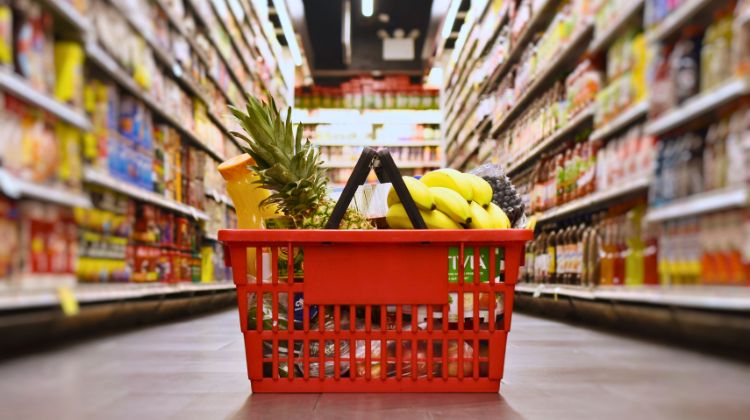
Millions of Americans might soon face a major change in their food assistance, as millions could lose SNAP benefits. The Supplemental Nutrition Assistance Program, or SNAP, could see significant cuts and modifications. This vital assistance program helps many low-income individuals and families afford groceries and put food on the table.
SNAP benefits have been a critical support for countless households, particularly during challenging economic times. However, proposed policy changes and the expiration of temporary pandemic-related increases could leave many without this crucial food assistance. It’s important to understand these developments and how they might affect people nationwide, especially with rising food insecurity.
Table of Contents:
- Understanding SNAP Benefits
- Why Millions Could Lose SNAP Benefits
- Who Will Be Most Affected?
- Possible Consequences of Benefit Cuts
- What Can People Do?
- Government Response and Alternatives
- Long-Term Outlook for SNAP
- Conclusion
Understanding SNAP Benefits
SNAP, a cornerstone of the nation’s nutrition safety net, is a federal program that helps eligible low-income individuals and families purchase food. It functions through an Electronic Benefit Transfer (EBT) card, which works like a debit card at retailers authorized to accept SNAP. The amount of supplemental nutrition assistance a household receives depends on various factors, including income, household size, and certain expenses.
The primary goal of this nutrition assistance program is to help stretch food budgets, allowing participants to afford a healthy diet. The SNAP program helps people purchase food items like fruits, vegetables, meat, dairy, and bread. However, benefits cannot be used for alcoholic beverages, tobacco, vitamins, or hot, prepared foods.
During the COVID-19 pandemic, many emergency provisions were made, and SNAP benefits were temporarily increased through Emergency Allotments (EAs). This extra help was designed to support families facing heightened economic hardship and rising food prices. Now, these expanded SNAP benefits are phasing out, leading to concerns about how families will cope with reduced aid and what a cut snap approach will mean for their ability to access food.
Why Millions Could Lose SNAP Benefits
The potential loss of SNAP benefits for millions stems primarily from two key factors: the cessation of pandemic-era emergency measures and the reinstatement or expansion of work requirements. As the public health emergency declarations wind down, so does the authority for some of the temporary support programs. This shift is part of a broader move to return to pre-pandemic operational rules for many assistance programs.
Another significant factor involves changes to eligibility rules, particularly around work requirements. Some policymakers, including many House Republicans, advocate for stricter work requirements as a way to reduce government spending and encourage employment. These proposed snap cuts are part of larger discussions about the federal budget and the scope of social safety net programs, with some GOP lawmakers pushing for substantial reductions.
The Congressional Budget Office (CBO) has provided analyses on various proposals, estimating potential savings from such snap cuts. These budget office reports often fuel debates within Congress, including discussions in the House Agriculture Committee and the Budget Committee, about the future funding and structure of the supplemental nutrition assistance program. The drive to cut SNAP benefits is a recurring theme in these fiscal discussions.
States Ending Emergency Allotments
A significant number of states are discontinuing the extra SNAP payments, known as Emergency Allotments, that were authorized during the pandemic. This change means that benefit amounts for many households will revert to their standard, pre-pandemic levels, calculated based on income and household size. For some families, this reduction in their average SNAP benefit could amount to hundreds of dollars less each month to spend on grocery items.
According to the U.S. Department of Agriculture (USDA), which oversees SNAP, more than 30 states had already ended these additional payments by early 2023, with remaining states following suit as federal authorizations expired. This widespread change is projected to impact millions of SNAP participants across the country, presenting new challenges for households already struggling with rising food costs. The shift directly affects how families can purchase food and maintain food security.
The termination of these allotments is not a policy change initiated by the states themselves in most cases, but rather a return to the program’s standard operating procedures as federal emergency declarations concluded. This has led to calls for more permanent solutions to address food insecurity, rather than relying on temporary measures. The focus now shifts to how current law will be applied and whether new legislation is needed to provide benefits adequately.
Work Requirements Coming Back
During the pandemic, work requirements for certain SNAP recipients were largely suspended. However, these requirements are now being reinstated in many areas, and there are active discussions among Republican lawmakers and others about expanding them. This means some individuals might lose their SNAP benefits if they do not meet specific work, job training, or volunteer activity mandates.
These rules primarily affect able-bodied adults without dependents (ABAWDs), typically those aged 18 to 49 (though proposals have sought to extend this age range). Under current law, ABAWDs are generally limited to receiving SNAP benefits for only three months in a 36-month period unless they are working at least 80 hours a month, participating in a qualifying work program for at least 20 work hours per week, or meet certain exemption criteria. This three-month time limit is a critical aspect of the work reporting system.
The re-implementation and potential expansion of these snap work requirements are contentious. Supporters argue they promote self-sufficiency and increase employment, while opponents highlight that they can disproportionately affect individuals facing significant barriers to employment, such as limited job opportunities in their area, lack of affordable transportation, or underlying health conditions that do not meet strict disability exemption criteria. The administrative burden of work reporting can also create red tape for recipients.
Who Will Be Most Affected?
The potential loss or reduction of SNAP benefits will disproportionately impact already vulnerable populations. Low-income families, particularly those with children young and single-parent households, are at high risk. Older adults, especially those between the ages of 50 and the traditional retirement age, could also face significant challenges, particularly if work requirements are expanded to include them more broadly.
Individuals with disabilities, even those who might qualify for exemptions from work requirements, may face difficulties navigating the changing rules and proving their status, potentially leading to temporary or erroneous loss of benefits. Rural communities, where job opportunities may be scarcer and access to resources more limited, could also experience a substantial negative impact. Cuts to the snap program could ripple through these local economies, affecting not only families but also retailers authorized to accept EBT.
Veterans, people of color, and those with limited education or job skills are also among the groups that could be more severely affected by stricter eligibility criteria or benefit reductions. The loss of food assistance can exacerbate existing hardships and make it more difficult for individuals to afford groceries and maintain a basic standard of living, pushing more people towards rising food insecurity.
Impact on Children
Children in low-income families are particularly vulnerable to the adverse effects of SNAP benefit reductions. SNAP plays a critical role in ensuring that these children have consistent access to nutritious food, which is essential for their growth, development, and overall well-being. When families receive snap benefits that are reduced, children’s food security is often the first thing compromised.
Reductions in SNAP can lead to increased rates of child hunger and malnutrition, which have long-term consequences for physical health, cognitive development, and educational attainment. Schools might observe a greater need for free or reduced-price meal programs, placing additional strain on school budgets and resources. The ability of families to provide a healthy diet is directly impacted by the level of their food stamps.
Moreover, the stress associated with food insecurity in a household can negatively affect children’s mental health and academic performance. Ensuring children young have access to adequate nutrition is a fundamental aspect of public health and a key investment in the nation’s future. Cuts to nutritional assistance programs like SNAP can undermine these efforts.
Possible Consequences of Benefit Cuts
The potential loss or reduction of SNAP benefits could trigger a cascade of negative consequences. A primary concern is an increase in food insecurity for millions of families, meaning more people will struggle to consistently access enough food for an active, healthy life. This can lead to a greater reliance on emergency food providers like food banks, which are already facing increased demand due to rising food prices.
Local economies could also suffer. SNAP benefits are typically spent quickly and locally, at grocery stores and farmers’ markets. A decrease in the amount of money flowing through the snap program means reduced sales for these businesses, potentially impacting employment and economic activity in communities. This is a particular concern for small businesses and those in economically distressed areas.
The broader societal impact includes potential increases in poverty and inequality. Food assistance is a critical support that helps families meet basic needs, and reducing this support can push more households into deeper poverty. This contradicts efforts to build a more equitable society and improve overall population health.
Health Implications
When individuals and families cannot afford an adequate amount of healthy food, their physical health can deteriorate significantly. This often leads to increased consumption of cheaper, less nutritious food options, which can contribute to higher rates of obesity, diabetes, heart disease, and other diet-related chronic conditions. Consequently, this could lead to increased health care costs over time, placing a greater burden on individuals and the public health system.
Malnutrition, especially in children and older adults, can weaken immune systems, delay recovery from illness, and impair cognitive function. For pregnant individuals, inadequate nutrition can affect birth outcomes and infant health. The link between food security and health policy is well-established, with access to nutritious food being a key determinant of public health outcomes.
Mental health is also profoundly affected by food insecurity. The chronic stress, anxiety, and depression associated with not knowing where one’s next meal will come from can take a severe toll on individuals and families. This increased psychological burden can lead to a greater need for mental health services, further straining community resources.
What Can People Do?
If you are concerned about potentially losing your SNAP benefits or seeing them reduced, there are several steps you can take. First, it is important to stay informed about any changes to the snap program in your state. Your local SNAP office or the state’s human services department website can provide the most current information regarding eligibility, work requirements, and benefit levels.
Investigate other food assistance programs that may be available in your community. Organizations like Feeding America can help you locate local food banks and pantries. Programs such as WIC (Women, Infants, and Children) provide supplemental nutrition for pregnant women, new mothers, infants, and children young up to age five. Many schools also offer meal programs for students from low-income households.
Additionally, some non-profit organizations offer assistance with utility bills or other expenses, which can free up money in your household budget to purchase food. It’s also beneficial to review your budget carefully to identify any areas where spending can be adjusted if you receive snap benefits that are lower than anticipated. Understanding how these changes affect your personal finance is crucial.
Advocacy and Support
Consider engaging in advocacy by reaching out to your elected officials at both the state and federal levels, including members of the House Agriculture Committee or Budget Committee. Share your personal experiences or concerns about how SNAP cuts could impact your family and community. Many advocacy groups and non-profit organizations are actively working to protect and strengthen food assistance programs, and joining their efforts can amplify your voice.
If you are not directly at risk of losing benefits but wish to support those who are, consider donating to or volunteering at local food banks or anti-hunger organizations. These organizations will likely experience increased demand for their services as SNAP benefits are reduced or eligibility tightens. Your support can make a tangible difference in helping neighbors access food.
Staying informed about legislative proposals, such as those discussed by House Republicans or GOP lawmakers regarding snap cuts, can also empower you to participate in public discourse. Understanding the arguments for and against changes to the supplemental nutrition assistance program allows for more effective advocacy to prevent future administrations from weakening this vital support.
Government Response and Alternatives
In response to the impending changes and potential hardships, some lawmakers and advocacy groups are proposing various alternatives and supplemental measures. These proposals often aim to bolster other nutrition programs, create new avenues for food assistance, or modify existing SNAP rules to be more responsive to current economic conditions like high food prices. Discussions often occur within the House Committee structure, particularly the House Agriculture Committee.
The USDA continues to work on strategies to strengthen the overall food safety net and address food insecurity. This includes exploring long-term solutions that go beyond temporary fixes and aim to improve access to nutritious food for all Americans. Efforts to streamline application processes and reduce red tape are also part of ongoing discussions to make the assistance program more accessible.
Some policymakers are also considering how to prevent future administrations from making drastic changes to safety net programs without thorough review and congressional approval. This involves looking at current law and proposing safeguards. The Congressional Budget Office often provides fiscal analyses of such proposals, which inform legislative debates, sometimes highlighting how proposed tax cuts might contrast with funding for social programs.
State-Level Actions
Recognizing the potential gaps left by reduced federal SNAP funding or stricter eligibility, some states are taking proactive steps. These actions might include allocating state funds to create supplementary food assistance programs or boosting funding for existing state-level nutrition initiatives. Such measures aim to cushion the blow for residents who may lose federal benefits or see them significantly reduced.
Other states are exploring ways to help more people maintain their eligibility for SNAP under federal rules. This could involve applying for waivers where allowable, improving outreach to ensure all eligible individuals are enrolled, or investing in job training and support services that help recipients meet work requirements. The goal is to minimize the number of people who lose access to this critical nutritional assistance.
State partnerships with local food banks and community organizations are also being strengthened. These collaborations can help ensure a coordinated response to rising food insecurity and provide a more comprehensive support system for families struggling to afford groceries. Each state’s approach varies, reflecting different political climates and budget priorities.
Long-Term Outlook for SNAP
The future of the Supplemental Nutrition Assistance Program is a subject of continuous and often vigorous debate among policymakers, economists, and public health advocates. Some argue for expanding the program, citing its effectiveness in reducing poverty and food insecurity, especially during economic downturns. Others, including many Republican lawmakers, advocate for scaling it back, implementing stricter work requirements, or imposing time limits to reduce government spending and encourage work among snap participants.
Changes to SNAP are frequently considered as part of broader reforms to the social safety net. This might include adjustments to other assistance programs such as Medicaid, housing assistance, or Temporary Assistance for Needy Families (TANF). The interplay between these programs means that changes in one area can have ripple effects on others, influencing the overall support available to low-income households.
The Farm Bill, a comprehensive piece of legislation typically reauthorized every five years, is a major venue for these debates as it includes funding and policy for SNAP. Discussions around the Farm Bill often involve intense negotiations within the House Agriculture Committee and its Senate counterpart over the scope and direction of the snap program and how it provides benefits. The aim for some is to make current law more restrictive, while others seek to protect or expand this food assistance.
Potential Policy Changes
Several policy changes are regularly proposed and debated concerning SNAP. One common proposal involves adjusting benefit calculations to more accurately reflect regional variations in food costs or the actual cost of a healthy diet, as current allotments are often criticized as inadequate, especially with rising food prices. This could lead to a more equitable distribution of supplemental nutrition benefits.
There are ongoing discussions about expanding the types of items that can be purchased with SNAP benefits or, conversely, restricting certain items like sugary drinks to promote healthier eating. Another area of focus is strengthening the connection between SNAP and job training or employment support programs, with the goal of helping recipients secure stable employment and achieve financial independence, thereby reducing reliance on the assistance program. Some proposals aim to increase employment among able-bodied adults.
Policymakers also consider ways to simplify the application and recertification process to reduce administrative burdens and red tape for both participants and state agencies. Ideas include allowing longer certification periods for certain populations or improving technology for managing cases and delivering benefits via electronic benefit transfer. The impact of a three-month time limit on certain recipients remains a contentious issue, often brought up by those looking to cut snap benefits or by the budget committee during fiscal evaluations.
Here’s a brief look at potential impacts based on recipient categories:
| Recipient Category | Potential Impact of Changes | Key Concerns |
|---|---|---|
| Able-Bodied Adults Without Dependents (ABAWDs) | Loss of benefits after three months if work requirements (e.g., 20 work hours weekly) are not met. | Job availability, barriers to employment, health issues not meeting disability criteria, complexity of work reporting. |
| Families with Children | Reduced overall household budget for food if emergency allotments end or if parents face new work rules. | Child food insecurity, impact on development and health, strain on school meal programs. |
| Older Adults (especially those approaching retirement) | Potential inclusion in expanded work requirements (e.g., adults ages 50-54), difficulty finding suitable employment. | Age-related health concerns, fixed incomes, risk of hunger. |
| Individuals with Disabilities | Challenges navigating exemption processes, potential for benefit loss due to administrative errors. | Access to health care, adequacy of disability documentation, managing chronic conditions. |
| Rural Residents | Fewer job opportunities to meet work requirements, limited access to transportation for jobs or training. | Economic impact on small communities, access to food retailers. |
This table summarizes how different groups might be affected as changes to the snap program are implemented. Each policy shift carries distinct consequences for snap participants who receive snap benefits.
Conclusion
The looming prospect that millions could lose SNAP benefits represents a significant concern for national food security and individual well-being. These potential snap cuts and stricter work requirements could have far-reaching effects, impacting families, vulnerable older adults, children, and local economies that rely on the consistent purchasing power provided by this food assistance. As changes to the snap program unfold, it is vital for individuals to stay informed about their eligibility and the resources available to help them afford groceries and maintain personal finance stability.
While the specific future of SNAP remains a subject of ongoing political and fiscal debate, influenced by groups like House Republicans and the broader legislative agenda, the fundamental issue of food security persists as a critical challenge. Ensuring that all Americans, especially the most vulnerable, have reliable access to nutritious food remains an important societal goal. Whether through the existing Supplemental Nutrition Assistance Program structure or alternative approaches, addressing food insecurity and supporting health policy through adequate nutritional assistance is paramount.



Leave a Reply